Buy blogsmap.eu ?
We are moving the project
blogsmap.eu .
Are you interested in purchasing the domain
blogsmap.eu ?
domain@kv-gmbh.de · 0541-91531010
Buy blogsmap.eu ?
Why are hydrogen bonds stronger than dipole-dipole interactions?
Hydrogen bonds are stronger than dipole-dipole interactions because they involve a specific interaction between a hydrogen atom and a highly electronegative atom such as oxygen, nitrogen, or fluorine. This creates a strong partial positive charge on the hydrogen atom and a strong partial negative charge on the electronegative atom, leading to a strong attraction between the two. In contrast, dipole-dipole interactions occur between the partial positive and negative charges of polar molecules, which are generally weaker than the specific interaction between a hydrogen atom and a highly electronegative atom in a hydrogen bond. **
What is the difference between dipole-dipole forces and hydrogen bonds?
Dipole-dipole forces are attractive forces between the positive end of one polar molecule and the negative end of another polar molecule. These forces occur between any two polar molecules and are relatively weaker than hydrogen bonds. On the other hand, hydrogen bonds are a specific type of dipole-dipole force that occurs between a hydrogen atom bonded to a highly electronegative atom (such as oxygen, nitrogen, or fluorine) and a lone pair of electrons on another highly electronegative atom. This type of bond is stronger than regular dipole-dipole forces and is responsible for the unique properties of water and other molecules with hydrogen bonding. **


Similar search terms for Hydrogen bonds Dipole-dipole
Top-Angebote
Products related to Hydrogen bonds Dipole-dipole:
-
Inspired Finds Hydrogen Oxygen Facial Cleansing Machine Probe Professional Portable Skin Care Replacement Head Hydrogen Oxygen Facial Cleansing Machine Probe Professional Portable Skin Care Replacement HeadElevate your skincare treatments with the hydrogen oxygen facial machine probe, designed for deep cleansing, rejuvenation, and professionalquality results. This replacement head delivers advanced wateroxygen infusion to gently remove impurities,...76,99 $*Shipping: 0,00 $Secure redirect to the provider
-
Uplifted Goods Standing Hydrogen Oxygen LED Facial Mask Red Blue Light Therapy Machine 110vElevate your skincare routine with this standing hydrogen oxygen LED facial mask. Designed with red and blue light therapy to combat acne, promote collagen, and rejuvenate skin, it combines breakthrough technology and salonlevel performance in a...297,97 $*Shipping: 0,00 $Secure redirect to the provider
-
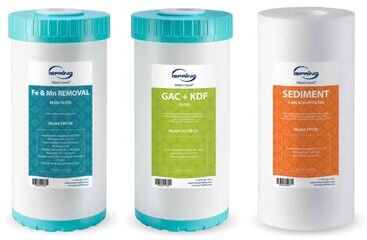
iSpring F3WGB31BMKS Whole House Water Filter Pack, Reduces Iron, Manganese, Hydrogen Sulfide, Lead, Chlorine, SedimentsReliable Whole House Water Filtration – F3WGB31BMKS whole house water filter replacement pack includes a 10” x 4.5” sediment filter, a GAC and KDF compound filter, and an iron filter to tackle sediments, chlorine, heavy metals, hydrogen sulfide,...143,77 $*Shipping: 0,00 $Secure redirect to the provider
-
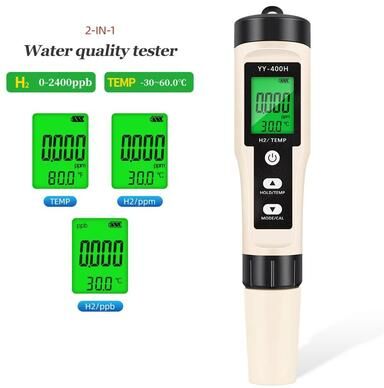
Uplift Picks AquaSense 4 in 1 PH ORP Hydrogen Meter With Temperature 2 In 1Explore several water properties with one portable pen. The full 4in1 version measures pH, ORP, dissolved hydrogen, and temperature for quick checks. It suits aquarium keepers, hydroponic growers, hydrogenwater users, laboratories, and home testers....127,98 $*Shipping: 0,00 $Secure redirect to the provider


-
How do you distinguish between Van der Waals forces, dipole-dipole interactions, and hydrogen bonds?
Van der Waals forces are the weakest of the three interactions and occur between all molecules, regardless of their polarity. Dipole-dipole interactions occur between polar molecules and are stronger than Van der Waals forces. Hydrogen bonds are the strongest of the three interactions and occur between molecules with a hydrogen atom bonded to a highly electronegative atom such as oxygen, nitrogen, or fluorine. These interactions are important in determining the physical and chemical properties of substances and play a crucial role in various biological processes. **
-
Is hydrogen a dipole?
Yes, hydrogen is a dipole. A dipole is a molecule that has a positive and negative end due to an uneven distribution of electrons. In the case of hydrogen, it forms a polar covalent bond with other elements, such as oxygen, resulting in a slight positive charge on the hydrogen atom and a slight negative charge on the other atom. This makes hydrogen a dipole molecule. **
-
Where can one find van der Waals forces, dipole-dipole forces, and hydrogen bonds in everyday life?
Van der Waals forces can be found in everyday life in the form of geckos climbing walls using the weak intermolecular forces between their feet and the surface. Dipole-dipole forces can be observed in the interaction between water molecules, which have a slight positive and negative charge, leading to the formation of hydrogen bonds. Hydrogen bonds are also present in DNA, where they help hold the double helix structure together. These forces are essential for various biological and physical phenomena in our daily lives. **
-
What is the difference between hydrogen bonding and dipole-dipole interactions?
Hydrogen bonding is a specific type of dipole-dipole interaction that occurs between a hydrogen atom bonded to a highly electronegative atom (such as oxygen, nitrogen, or fluorine) and another electronegative atom in a different molecule. This type of interaction is stronger than regular dipole-dipole interactions because of the large electronegativity difference between the hydrogen and the other atom, resulting in a stronger attraction between the molecules. In contrast, dipole-dipole interactions occur between the positive end of one polar molecule and the negative end of another polar molecule, but do not involve a hydrogen atom bonded to a highly electronegative atom. **


What is the difference between a dipole-dipole interaction and hydrogen bonding?
The main difference between a dipole-dipole interaction and hydrogen bonding is the strength of the interaction. Dipole-dipole interactions occur between polar molecules, where the positive end of one molecule is attracted to the negative end of another molecule. This interaction is weaker than hydrogen bonding. Hydrogen bonding is a specific type of dipole-dipole interaction that occurs between a hydrogen atom bonded to a highly electronegative atom (such as oxygen, nitrogen, or fluorine) and a lone pair of electrons on another highly electronegative atom. This type of interaction is stronger than a regular dipole-dipole interaction and can significantly impact the properties of substances, such as boiling point and solubility. **
What are the characteristics of Van der Waals forces, dipole-dipole interactions, and hydrogen bonding?
Van der Waals forces are weak attractive forces between molecules due to temporary dipoles that occur when the electron distribution around an atom is momentarily uneven. Dipole-dipole interactions occur between polar molecules with permanent dipoles, where the positive end of one molecule is attracted to the negative end of another. Hydrogen bonding is a specific type of dipole-dipole interaction that occurs between a hydrogen atom bonded to a highly electronegative atom (such as oxygen, nitrogen, or fluorine) and a lone pair of electrons on another electronegative atom. These interactions are stronger than van der Waals forces and regular dipole-dipole interactions, and they play a crucial role in determining the physical and chemical properties of substances. **
Top-Angebote
Products related to Hydrogen bonds Dipole-dipole:
-
S&S Northern Merlin Gas Detector X-Range - HydrogenThe Merlin Gas Detector X-Range for Hydrogen is designed to integrate seamlessly with the S&S; Merlin range of Gas Detection Panels and Safety Systems. Featuring a compact, modern, and digital design, this detector is both aesthetically pleasing and easy to install, making it ideal for industrial and commercial indoor applications. Advanced Detection: Effectively detects hydrogen gas, ensuring safety in various environments. Dual-Level Alarms: Features both low and high-level alarms for comprehensive safety monitoring. Visual Indicators: Traffic light-style gas level display provides clear and immediate visual feedback on gas levels. Easy Installation: Designed for straightforward setup, ensuring hassle-free integration.217,50 £*Shipping: 0,00 £Secure redirect to the provider
-
Inspired Finds Eternal Bonds Personalized Acrylic Photo Frame & Custom Couple Plaque Gift warm LightCapture Your Timeless Connection. Turn your most meaningful moments into a lasting keepsake with this elegant personalized acrylic photo frame. Designed specifically for couples who value memories that matter, this sleek, transparent display piece...110,99 $*Shipping: 0,00 $Secure redirect to the provider
-
Inspired Finds Hydrogen Oxygen Facial Cleansing Machine Probe Professional Portable Skin Care Replacement Head Hydrogen Oxygen Facial Cleansing Machine Probe Professional Portable Skin Care Replacement HeadElevate your skincare treatments with the hydrogen oxygen facial machine probe, designed for deep cleansing, rejuvenation, and professionalquality results. This replacement head delivers advanced wateroxygen infusion to gently remove impurities,...76,99 $*Shipping: 0,00 $Secure redirect to the provider
-
Uplifted Goods Standing Hydrogen Oxygen LED Facial Mask Red Blue Light Therapy Machine 110vElevate your skincare routine with this standing hydrogen oxygen LED facial mask. Designed with red and blue light therapy to combat acne, promote collagen, and rejuvenate skin, it combines breakthrough technology and salonlevel performance in a...297,97 $*Shipping: 0,00 $Secure redirect to the provider
-
Why are hydrogen bonds stronger than dipole-dipole interactions?
Hydrogen bonds are stronger than dipole-dipole interactions because they involve a specific interaction between a hydrogen atom and a highly electronegative atom such as oxygen, nitrogen, or fluorine. This creates a strong partial positive charge on the hydrogen atom and a strong partial negative charge on the electronegative atom, leading to a strong attraction between the two. In contrast, dipole-dipole interactions occur between the partial positive and negative charges of polar molecules, which are generally weaker than the specific interaction between a hydrogen atom and a highly electronegative atom in a hydrogen bond. **
-
What is the difference between dipole-dipole forces and hydrogen bonds?
Dipole-dipole forces are attractive forces between the positive end of one polar molecule and the negative end of another polar molecule. These forces occur between any two polar molecules and are relatively weaker than hydrogen bonds. On the other hand, hydrogen bonds are a specific type of dipole-dipole force that occurs between a hydrogen atom bonded to a highly electronegative atom (such as oxygen, nitrogen, or fluorine) and a lone pair of electrons on another highly electronegative atom. This type of bond is stronger than regular dipole-dipole forces and is responsible for the unique properties of water and other molecules with hydrogen bonding. **
-
How do you distinguish between Van der Waals forces, dipole-dipole interactions, and hydrogen bonds?
Van der Waals forces are the weakest of the three interactions and occur between all molecules, regardless of their polarity. Dipole-dipole interactions occur between polar molecules and are stronger than Van der Waals forces. Hydrogen bonds are the strongest of the three interactions and occur between molecules with a hydrogen atom bonded to a highly electronegative atom such as oxygen, nitrogen, or fluorine. These interactions are important in determining the physical and chemical properties of substances and play a crucial role in various biological processes. **
-
Is hydrogen a dipole?
Yes, hydrogen is a dipole. A dipole is a molecule that has a positive and negative end due to an uneven distribution of electrons. In the case of hydrogen, it forms a polar covalent bond with other elements, such as oxygen, resulting in a slight positive charge on the hydrogen atom and a slight negative charge on the other atom. This makes hydrogen a dipole molecule. **
Similar search terms for Hydrogen bonds Dipole-dipole
-
iSpring F3WGB31BMKS Whole House Water Filter Pack, Reduces Iron, Manganese, Hydrogen Sulfide, Lead, Chlorine, SedimentsReliable Whole House Water Filtration – F3WGB31BMKS whole house water filter replacement pack includes a 10” x 4.5” sediment filter, a GAC and KDF compound filter, and an iron filter to tackle sediments, chlorine, heavy metals, hydrogen sulfide,...143,77 $*Shipping: 0,00 $Secure redirect to the provider
-
Uplift Picks AquaSense 4 in 1 PH ORP Hydrogen Meter With Temperature 2 In 1Explore several water properties with one portable pen. The full 4in1 version measures pH, ORP, dissolved hydrogen, and temperature for quick checks. It suits aquarium keepers, hydroponic growers, hydrogenwater users, laboratories, and home testers....127,98 $*Shipping: 0,00 $Secure redirect to the provider
-
Inspired Finds Eternal Bonds Personalized Acrylic Photo Frame & Custom Couple Plaque Gift 7 Colors LightCapture Your Timeless Connection. Turn your most meaningful moments into a lasting keepsake with this elegant personalized acrylic photo frame. Designed specifically for couples who value memories that matter, this sleek, transparent display piece...116,99 $*Shipping: 0,00 $Secure redirect to the provider
-
Uplifted Goods Standing Hydrogen Oxygen LED Facial Mask Red Blue Light Therapy Machine 220vElevate your skincare routine with this standing hydrogen oxygen LED facial mask. Designed with red and blue light therapy to combat acne, promote collagen, and rejuvenate skin, it combines breakthrough technology and salonlevel performance in a...297,97 $*Shipping: 0,00 $Secure redirect to the provider
-
Where can one find van der Waals forces, dipole-dipole forces, and hydrogen bonds in everyday life?
Van der Waals forces can be found in everyday life in the form of geckos climbing walls using the weak intermolecular forces between their feet and the surface. Dipole-dipole forces can be observed in the interaction between water molecules, which have a slight positive and negative charge, leading to the formation of hydrogen bonds. Hydrogen bonds are also present in DNA, where they help hold the double helix structure together. These forces are essential for various biological and physical phenomena in our daily lives. **
-
What is the difference between hydrogen bonding and dipole-dipole interactions?
Hydrogen bonding is a specific type of dipole-dipole interaction that occurs between a hydrogen atom bonded to a highly electronegative atom (such as oxygen, nitrogen, or fluorine) and another electronegative atom in a different molecule. This type of interaction is stronger than regular dipole-dipole interactions because of the large electronegativity difference between the hydrogen and the other atom, resulting in a stronger attraction between the molecules. In contrast, dipole-dipole interactions occur between the positive end of one polar molecule and the negative end of another polar molecule, but do not involve a hydrogen atom bonded to a highly electronegative atom. **
-
What is the difference between a dipole-dipole interaction and hydrogen bonding?
The main difference between a dipole-dipole interaction and hydrogen bonding is the strength of the interaction. Dipole-dipole interactions occur between polar molecules, where the positive end of one molecule is attracted to the negative end of another molecule. This interaction is weaker than hydrogen bonding. Hydrogen bonding is a specific type of dipole-dipole interaction that occurs between a hydrogen atom bonded to a highly electronegative atom (such as oxygen, nitrogen, or fluorine) and a lone pair of electrons on another highly electronegative atom. This type of interaction is stronger than a regular dipole-dipole interaction and can significantly impact the properties of substances, such as boiling point and solubility. **
-
What are the characteristics of Van der Waals forces, dipole-dipole interactions, and hydrogen bonding?
Van der Waals forces are weak attractive forces between molecules due to temporary dipoles that occur when the electron distribution around an atom is momentarily uneven. Dipole-dipole interactions occur between polar molecules with permanent dipoles, where the positive end of one molecule is attracted to the negative end of another. Hydrogen bonding is a specific type of dipole-dipole interaction that occurs between a hydrogen atom bonded to a highly electronegative atom (such as oxygen, nitrogen, or fluorine) and a lone pair of electrons on another electronegative atom. These interactions are stronger than van der Waals forces and regular dipole-dipole interactions, and they play a crucial role in determining the physical and chemical properties of substances. **
* All prices are inclusive of VAT and, if applicable, plus shipping costs. The offer information is based on the details provided by the respective shop and is updated through automated processes. Real-time updates do not occur, so deviations can occur in individual cases. ** Note: Parts of this content were created by AI.